
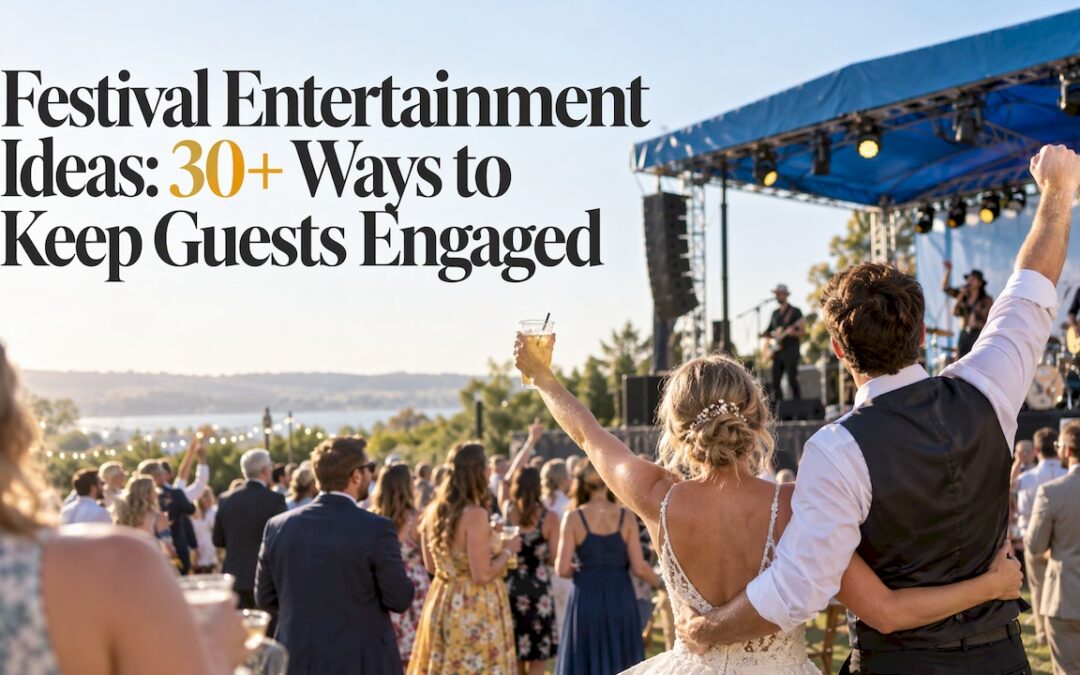
The best festival entertainment mixes one strong live headline act with a handful of things guests can do for themselves: games, crafts, photo spots, tastings and small surprises between sets. Music brings the crowd together. Activities fill the gaps, give people something to share and keep them on site longer. Below you will find ideas for each layer, plus how to match them to your crowd and venue and what to plan so everything runs smoothly.
This guide works for community festivals, music festivals, corporate festival-style events and private celebrations that borrow the festival format.
TL;DR
- Build the day in layers: a live music anchor, an activity zone, quiet spaces and a few roaming or surprise moments.
- Alternate high-energy and low-key options so no one burns out and different ages all find a place.
- Choose acts for your audience, your purpose and your venue’s sound limits, not for novelty alone.
- Plan routes, load-in, safety and weather before you book anything, and involve your entertainers in that plan.
- Live bands that blend genres are the easiest way to keep a mixed-age crowd on the dance floor.
Table of Contents
- Start with a live music anchor
- Live performances beyond the main stage
- Interactive activities guests can join
- Themes that tie it together
- Festival ideas for corporate events and private parties
- How to choose entertainment for your crowd
- Practical details that make or break the day
- Our perspective
- Bring Lost Wax to your festival-style event
- FAQ
- Sources
Start with a live music anchor
Every festival needs a moment that pulls people toward one spot. For most events that is live music, and the format you choose shapes the whole day. One planning guide suggests matching the format to the purpose: soloists for arrivals or intimate receptions, duos and trios for networking, live bands for momentum, DJs for variety and hybrid acts that combine live and recorded energy.
For a festival, that usually translates into a simple arc:
- Arrival and wandering hours: a solo performer or small acoustic act at low volume, so guests can talk and browse.
- Midday: a rotating lineup of local acts or a mid-sized band to build energy.
- Peak hours: a full band that can hold a big crowd and keep it dancing.
- Wind-down: a DJ set, a silent disco or a mellow closing act.
Why genre-blending bands work for mixed crowds
Festival crowds are rarely one age or one taste. A band that moves from pop to rock to hip-hop to R&B in a single set gives every generation a song to sing along to. That is the idea behind a mashup party band, and it is what we built Lost Wax around since 2009. If you are weighing a band against a DJ for your event, our guide to live band vs DJ questions walks through what to ask vendors.
Matching band size to the stage
Stage space, power and the size of the crowd decide how big your band should be. A smaller group suits a patio, a tent or a lounge area. A larger ensemble suits a main stage or a gala-style finale. You can compare our 5-piece, 8-piece, 10-piece and Collective options, and our bigger 14-piece and 18-piece bands are built for the largest stages.
Live performances beyond the main stage
A festival feels alive when something is always happening within sight. These are performance ideas that go beyond a single band.
- Comedy tent. A comedy tent or arcade tent gives guests a break from loud music while still feeling part of the program.
- Talent show. Guests, staff or local groups take the stage. Talent shows are a recognized way to promote participation and social interaction.
- Storytelling tent. A seated, calm space with live storytellers, which also suits families.
- Dance workshops and dancealongs. One UK festival’s lineup includes dancealongs and singalongs such as Bhangra, K-Pop and Sea Shanty. The takeaway for any organizer: let guests learn a routine, then perform it together.
- Karaoke and live-band karaoke. Karaoke is listed among party activities that attendees drive themselves.
- Concerts, parades and outdoor movie screenings. Multi-day events often include parades, dance parties and movie nights alongside the music.
- Spectacle acts. For corporate crowds, one entertainment roundup lists everything from drumming displays and laser shows to sand artists. Pick one showpiece moment and place it at a natural pause in the program.
Roaming performers
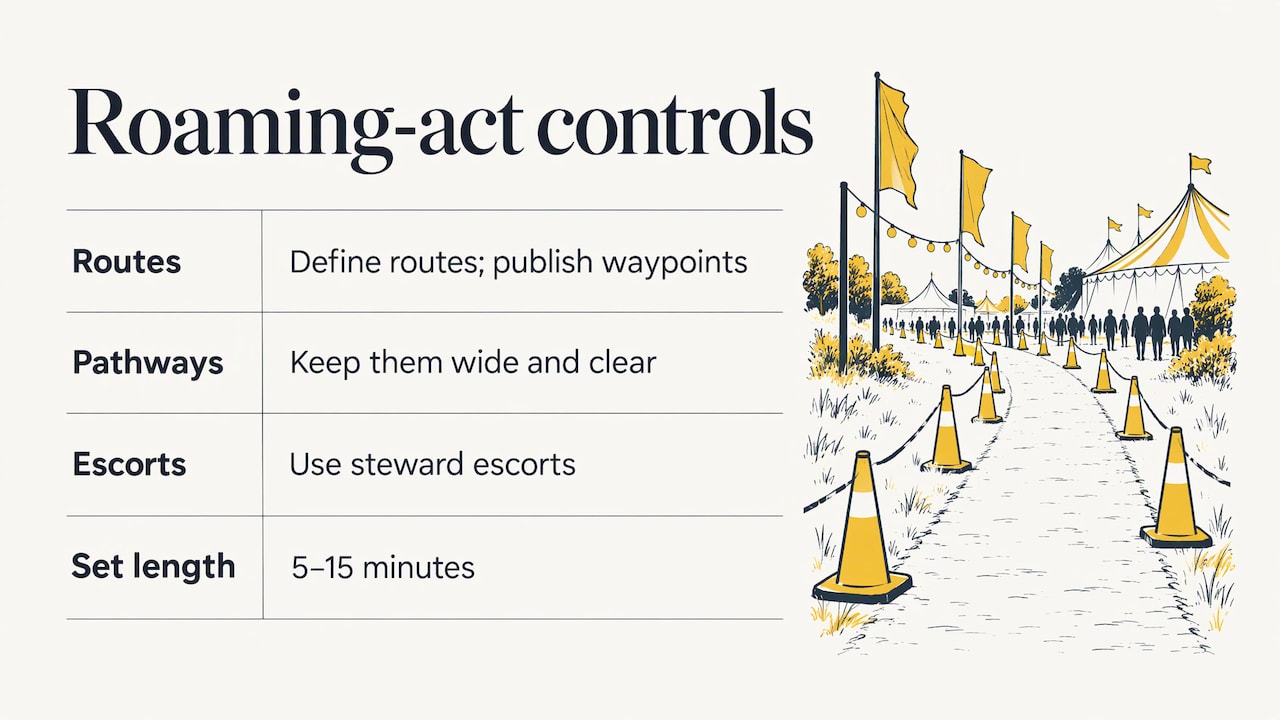
Stilt walkers, puppeteers, circus artists and costumed characters add surprise without needing a stage. They do need planning. Festival-production guidance recommends defined routes, wide pathways, steward escorts and short sets of five to 15 minutes so roaming acts do not block foot traffic. Publish the waypoints, brief the performers and keep paths clear of food lines.
Interactive activities guests can join
Activities fill the downtime between acts. A widely cited framework lists seven core festival activities: contests, competitions, shopping, eating and drinking, games, lounging and photo areas. The ideas below fit into those groups.
Games and competitions
- Lawn games: giant Jenga, croquet, bocce, cornhole, ladder ball and Spikeball are all on one music festival activity list, along with trivia and contests.
- Tournaments: cornhole, volleyball, soccer or video game brackets, as suggested for multi-day festivals.
- Activity zone games: giant building blocks, ring toss, frisbee challenges, scavenger hunts and stamp collections work well when gathered in one dedicated area.
- Competitive extras: bingo, mini escape rooms and costume contests appear in a list of competitive attendee activities.
- Immersive options: VR booths, escape rooms and trivia are also recommended for participation.
Creative and hands-on stations
- DIY zones: jewelry making, painting, pottery, wreath making and eco-friendly crafts are suggested for a festival DIY area.
- Quick-make stations: sticker making, tote bag painting and cookie decorating are examples of creative activities guests can finish in minutes.
- Wearable keepsakes: live-printed shirts give guests something to take home. Organizers who want to see how that works can read about custom tees at festivals.
- Workshops and art exhibits: a craft market, art workshops and exhibits give browsing guests a reason to linger, and craft markets feature on one festival activity list.
Photo moments
Photo areas turn guests into your marketing. Branded installations, 360° booths and AI-enhanced photo moments fuel social sharing and post-event visibility. Put them near a bar, a queue or a lounge, where people already pause.
Food, drink and tastings
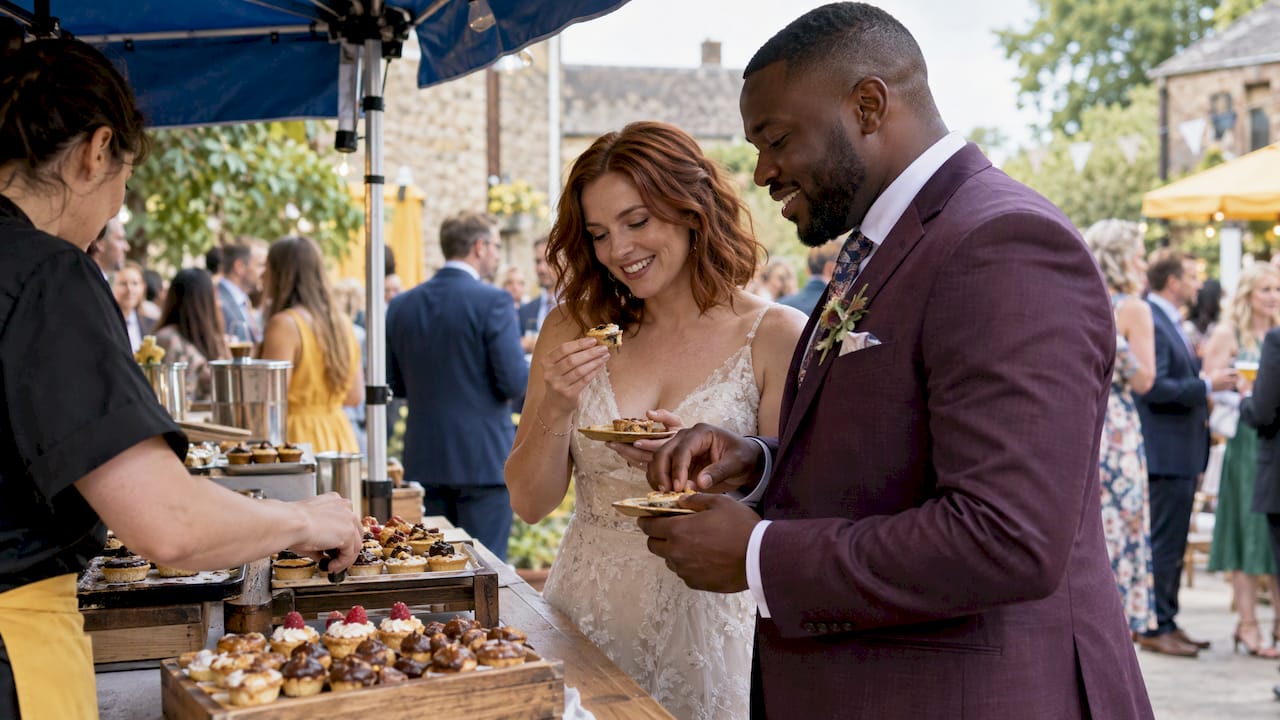
Food is entertainment too. Beer gardens, bake-offs, luncheons and taste events are on the list of multi-day festival ideas, and interactive food stations count as low-pressure activities for guests who prefer not to compete or perform.
Wellness and quiet zones
Not everyone wants to dance. Yoga, 5K races and similar wellness activities appear among multi-day festival ideas, and meditation or sound bath breakout spaces are listed as non-activity options. A UK festival lists breathwork, laughter yoga, pilates and sound baths in its wellness lineup. A quiet corner makes the loud areas feel better by contrast.
Family and children’s areas
For kids, think inflatables, bubble shows, face painting and parent-child games, all suggested for children’s areas. Children’s festival guidance favors short, interactive, multisensory sessions and alternating energetic and calm activities.
Themes that tie it together
A theme helps guests understand the experience at a glance and gives you a consistent look for signage, staging and lighting. Carnival-style nights, cultural celebrations and interactive game nights are common themed-night formats for festivals. Seasonal ideas also work: fall festivals can lean on cider, donuts, hay-bale seating and an evening band.
Keep the theme loose enough that your live entertainment fits it. A genre-blending band suits almost any theme, because the setlist can be shaped around the mood of the day.
Festival ideas for corporate events and private parties
The festival format has become a popular way to run company picnics, client appreciation days and large private celebrations. The structure is the same: an anchor act, activity zones and food, adapted to the guest list.
- Company festival day: a band on a small stage, lawn games, a photo area and a food-truck lineup.
- Client event: a lounge area with a lower-volume acoustic set, then a band for the evening. Sound that allows conversation is a selection criterion worth settling early, along with your audience and purpose.
- Gala or awards night: use the festival’s energy but with polished staging. See our ideas for gala entertainment that keeps every table engaged.
- Private party: a backyard festival with a band, a games corner and a late-night dance floor.
For more on getting guests involved, read our piece on interactive corporate entertainment and our ideas for corporate event music across the night.
How to choose entertainment for your crowd
Use four filters before you commit to any idea.
- Audience. Age range, group size and what they came for. A family crowd needs shorter, calmer segments. A corporate crowd may want conversation first and dancing later.
- Purpose. Is the goal networking, celebration, brand exposure or fundraising? Each points to a different mix.
- Venue. Power, sound limits, shade, ground surface and the distance between zones.
- Rhythm. Alternate high-energy and low-key moments across the day, as the children’s festival guidance above recommends, and the same logic holds for adults.
A simple sample schedule for a six-hour event might look like this:
| Time block | Main stage | Activity zones | Quiet space |
|---|---|---|---|
| Hour 1 | Solo or duo, low volume | Lawn games, photo area open | Lounge open |
| Hours 2 to 3 | Local acts or mid-sized band | Tournaments, craft stations | Wellness session |
| Hours 4 to 5 | Full live band, peak energy | Contest finals, roaming performers | Lounge open |
| Hour 6 | DJ set or closing band set | Food stations, keepsake pickup | Sound bath or calm lounge |
Practical details that make or break the day
Great ideas fail without logistics. The UK’s Purple Guide to event safety says planning should cover build-up, load-in, the show, load-out and breakdown, including crowd, transport, fire, first-aid, contingency and welfare planning. It also advises forming a safety management team and consulting emergency services, local authorities, venue managers, stewards and security contractors. It is a UK document, so check which rules your own city, county and venue apply.
A council event-organizer checklist from Wales offers a handy outline for an event safety plan: communications, fire, weather, crowd management, security, emergency response, first aid, traffic, cleansing and concessions. Use it as a starting template, then adapt it to local requirements in the United States.
A few entertainment-specific points to settle early:
- Power and staging. Confirm what the stage, sound and lighting will need and who supplies it.
- Load-in access. Where do trucks park, and how far must gear travel?
- Weather plan. Know what happens to the stage and the schedule if it rains or the wind picks up.
- Sound levels. Position stages so the main act does not drown out the quiet zone.
- A single point of contact. Give your band and vendors one planner to call on the day.
If you want one team to handle sound, lighting and staging with the music, our event production services cover ceremony sound, lighting, staging and dance floor rentals alongside the performance.
Our perspective
We have played weddings, galas, festivals and private parties since 2009, and the pattern is always the same: the best events give people several ways to join in. Some guests want to dance, some want to sing along from the edge of the floor, and some just want a great seat and a drink. A mixed crowd needs music that speaks to all of them.
That is why we mash up pop, rock, hip-hop and R&B instead of sticking to one lane. We shape each setlist around the event, and we like working with planners from the start so transitions between a game, a toast and a dance set feel seamless rather than abrupt.
Our advice: choose a live anchor you trust, then build activities around it. When the band is the heartbeat, the rest of the festival has something to move to.
Jimmy
Bring Lost Wax to your festival-style event
Lost Wax is a live mashup party band serving weddings, corporate events, galas, festivals and private celebrations across the U.S. We offer flexible band sizes, customizable setlists, optional DJ integration and production services. If you are planning a company festival or client event, explore our corporate event entertainment or send us the details through the corporate event inquiry form. You can also see what we do live on our shows page.
FAQ
What are some easy festival entertainment ideas for a small budget of effort and space?
Start with lawn games such as cornhole, giant Jenga and ring toss, add a photo area and a single live act. These need little setup and give guests plenty to do. A simple scavenger hunt or stamp collection also works across many ages.
What activities are typically at a festival?
Common activities include contests and competitions, shopping, food and drink, games, lounging and photo areas. Many festivals add workshops, talent shows, dance parties and wellness sessions. Live music usually ties it all together.
How do I keep a festival entertaining for kids and adults at once?
Zone the site so each group has a space, and alternate energetic and calm programming. Offer kids’ crafts, face painting and short interactive sessions, while adults have tournaments, tastings and a live band. A genre-blending band keeps grown-ups and teens singing together in the evening.
How many entertainment options should a festival have?
There is no fixed number. Aim for one live anchor, a few activity zones and a quiet space, so something is always happening within sight. Scale the count to your crowd size, venue and number of staff or stewards available.
Sources
- Essential Tips for Planning Live Music at Corporate Events
- 26 Great Ideas for Additional Music Festival Activities
- Top Participation Activities to Add Energy to Any Fest
- In It Together Activities
- Fresh Ideas for Attendee-Driven Activities At Events
- 15 Interactive Event Ideas for Multi-Day Festivals
- 122 Event Entertainment Ideas To Amaze Your Guests
- Puppetry, Circus, and Roving Performers at Family Festivals
- Festival Activities to Boost Engagement
- 10 Festival Activities Ideas
- Activities at a festival: the best ideas
- Children’s Cultural Festival Programming That Sticks
- Why Custom Tees Work at Festivals
- The Event Safety Guide (HSE Purple Guide)
- Event Organisers Checklist, Carmarthenshire County Council
Recent Comments